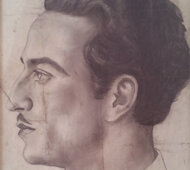
Aristide Gattavecchia
Scultore e Pittore
2023 - interview with Leonarda Zappulla
For information and contact details for Aristide Gattavecchia, sculptor and painter, visit the website or write directly to:
www.gattavecchia.it
www.gattavecchia.eu
email: aristide@gattavecchia.it

Sculptor and Painter
Italian artist of the 1900s

.png "artboxy)")

" Art is freedom and communicative power" A. Gattavecchia
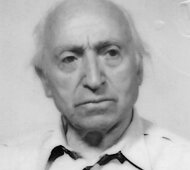
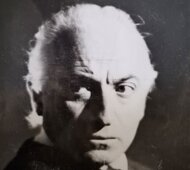
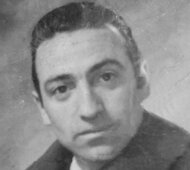
Aristide Gattavecchia
was born in Cesena in 1907.
His youth was marked by two world wars, which left a deep impression on him. His sensitive soul and thirst for culture led him to take an interest in art and history from a very young age, his two greatest passions.
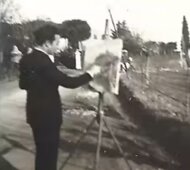
It was only after the war that he was able to devote himself completely to painting and sculpture. He experimented with a wide variety of materials, ranging from canvas to paper, plastic to wood, and even clay to plaster and polystyrene for his sculptures.
Aristide Gattavecchia: The art of existence
Aristide Gattavecchia dealt with powerful themes such as the violence of war, incommunicability, and loneliness. But that's not all: he also explored the rapid transformation of society and its difficulties in addressing urgent issues such as ecology, saving, and consumerism. Highly topical issues such as homosexuality and discrimination are also present in his works.
An In-Depth Study of the Human Soul
Gattavecchia has dedicated his art to exploring the human soul, arriving at a raw and intimate representation of the human condition. His research has led him to make very specific stylistic and chromatic choices: intense red tones to represent psychosis and fear, and bold black brushstrokes to define the contours of bodies and objects.
Being also a sculptor, his paintings often reflect the expressive power of sculpture, which, despite being devoid of color, is capable of communicating emotions through variations from white to black.
Existentialism and Surrealism in the Works of Gattavecchia
Gattavecchia has made existentialism his deepest raison d'être. His works are not limited to the phenomenological surface, but delve into a profound knowledge of the individual, an investigation into his hidden world and the very reasons for his existence.
His figures live in a surreal context, in a space devoid of references, like trembling bodies emptied of all physical characteristics. This condition reflects an existential loneliness, an inability to communicate and share.
Gattavecchia's Work: Style and Influences
According to Prof. Vittorio Sgarbi, Gattavecchia can be defined as “Munch-style expressionist,” especially in works such as La Bruna, Pensieri, and Leda, where the artist expresses the inner tensions of the human soul through bold strokes and color.
The influence of surrealism should not be overlooked in works such as Frammentazione, Intrusioni, and Composizione, where disturbing images seem to emerge from the background, evoking the world of dreams and the unconscious.
Abstract art is also present in works such as Frammenti and Trasfigurazioni, where Gattavecchia uses shapes and colors to express emotions and ideas rather than figurative compositions.
An Artist Who Embraced the Trends of the Twentieth Century
Gattavecchia has traversed the main artistic currents of the twentieth century, embracing the messages of creative communication. While evolving, he has maintained a unique, recognizable, and highly personal style that sets him apart in the contemporary art scene.
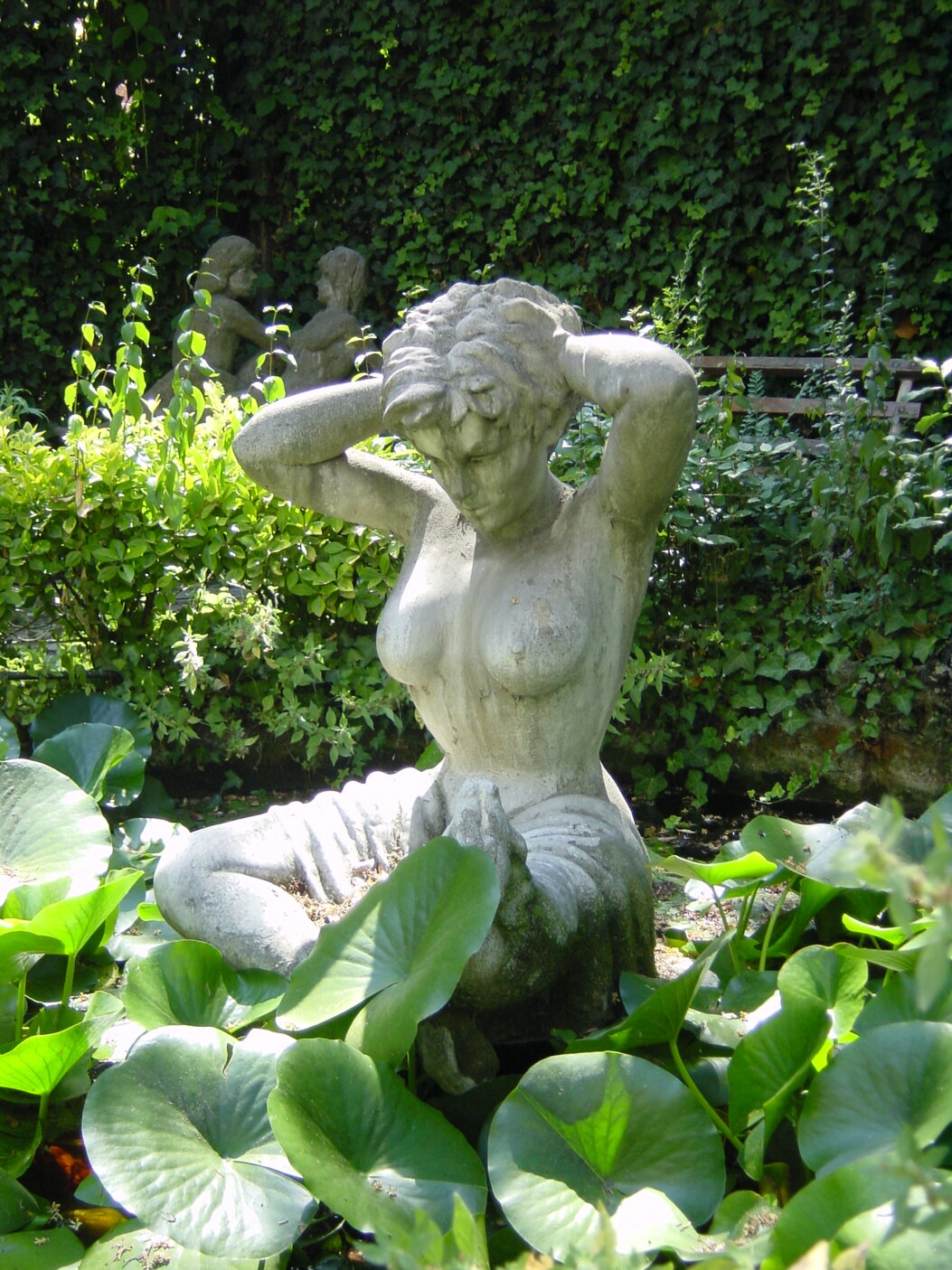
Sculptur by Aristide Gattavecchia “The Nymph” 1958